
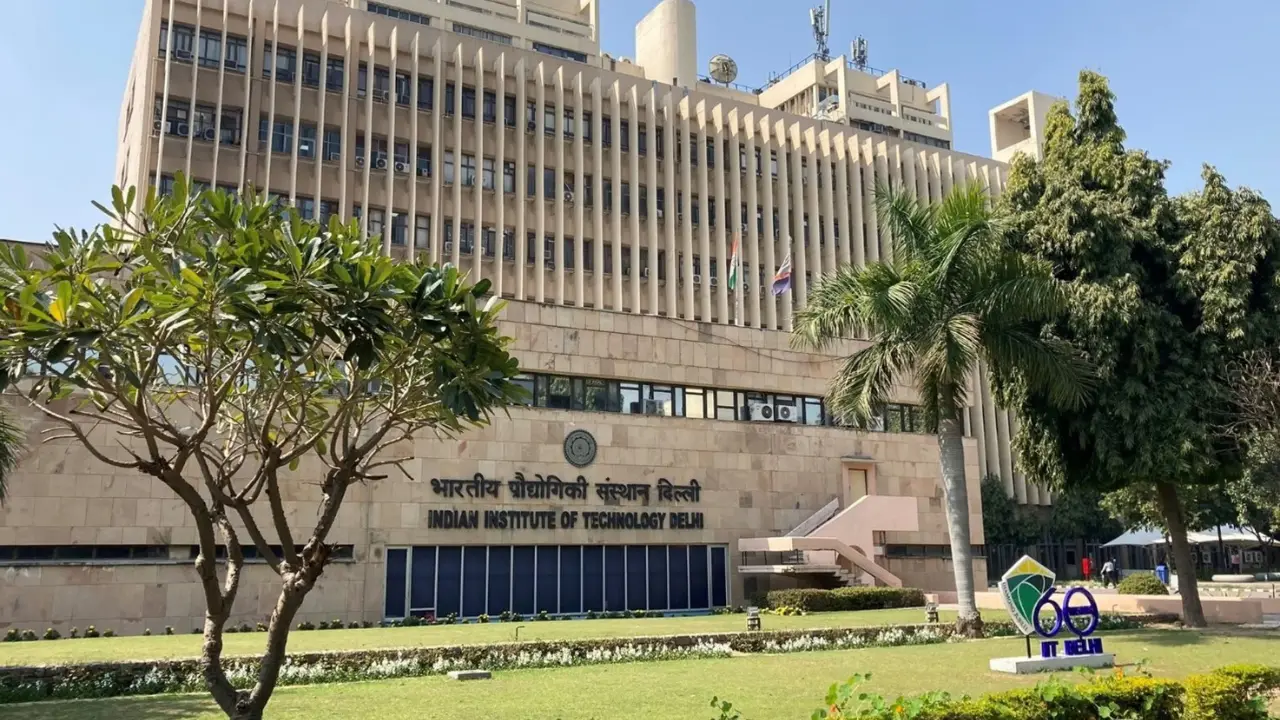

On September 24, IIT Delhi announced that its researchers had developed an indigenously designed micro-GPU. According to the team, it is likely the first working, demonstrable micro-GPU designed by an Indian university. The students credited the institute with providing the academic environment and technical platform for their work.
A Working Design Built On Campus
A team of M.Tech students and professors in IIT Delhi’s Electrical Engineering Department developed the micro-GPU. A graphics processing unit, or GPU, helps create images for a screen. This micro-GPU is a compact processor design intended for displays such as vehicle dashboards and industrial controls, rather than demanding gaming or AI tasks. The team showed its design rendering programmable graphics on a Spartan-7 FPGA, a piece of hardware that can be reconfigured to test a processor design.
One of the professors supervising the project said several innovations were needed to get it working on the board. The test establishes that the design works, although it has not yet been manufactured as a dedicated silicon chip. IIT Delhi describes the micro-GPU as processor intellectual property: a reusable design that could be incorporated into future hardware. Other possible uses include navigation terminals for small fishing boats and educational e-book readers. The design could eventually offer Indian device makers a locally developed way to generate graphics for affordable screens.
The IIT Delhi team is exploring a more capable version of its micro-GPU, supported by software that would make it easier to program. It also plans to develop a prototype custom chip and seek funding to integrate the technology into devices and pursue commercialisation. These steps would take the work beyond a campus demonstration, but they also require expertise and resources across chip manufacturing, software, and product development.
The Path From University Research To A Product
IIT Delhi is also building its own support for chip design. In June 2026, it launched an innovation lab with Cadence to give students and researchers access to the design tools used by semiconductor companies, alongside practical projects and startup support. One of the professors who supervised the micro-GPU project also leads the lab. The initiative shows how the institute is bringing research, training and industry tools together, creating conditions in which more student-led hardware projects can be developed.
An ecosystem for taking Indian chip designs beyond university labs is growing. Under the Chips to Startup programme, around 305 academic institutions had received access to chip-design tools by January 2026. The government’s Design Linked Incentive scheme had provided such access to 95 startups; projects it supported had completed 16 designs ready for manufacture, with six chips successfully fabricated. The scheme also offers eligible startups and smaller firms support for making prototypes and testing them. These results show that the tools and early manufacturing routes needed by research teams are becoming more widely available in India.
Device makers have a role at this stage. Companies building dashboards, industrial displays or other affordable screens could help the researchers define the performance, power consumption, reliability and price their products require. IIT Delhi and a product partner could then test a chip in a complete device rather than assess the processor on its own.
The wider opportunity is a practical one for Indian research institutions: a working design can become the starting point for collaboration with chip-design support programmes and manufacturers. For this project, that collaboration would determine whether the university’s graphics design reaches the devices it was created to serve.
***
Source note:
This article is based primarily on IIT Delhi’s 24 September 2026 announcement about the micro-GPU’s design, working demonstration, proposed applications and next steps. Context on the institute’s chip-design support comes from reporting on its June 2026 innovation lab with Cadence. Figures on access to design tools, completed chip designs and fabricated chips, as well as details of prototype and testing support, come from the Press Information Bureau’s January 2026 explainer on the Design Linked Incentive scheme. home.iitd.ac.in.