

At the 12th BRICS Environment Ministers’ Meeting on 18 August, member countries launched a compendium on Extended Producer Responsibility (EPR) and circular-economy practices. India highlighted its move toward a market-based EPR system supported by centralised digital platforms and tools such as digital traceability and recycling certification. EPR makes producers responsible for managing products and their waste after use, creating systems to collect and recover materials instead of discarding them. For India, these systems could have implications far beyond waste management.
What Is Changing?
A circular economy seeks to keep materials in use for longer through reuse, recycling and recovery. The BRICS compendium highlights approaches including community-led waste management, digital waste-exchange platforms, digital traceability, recycling certifications and other circular-economy practices.
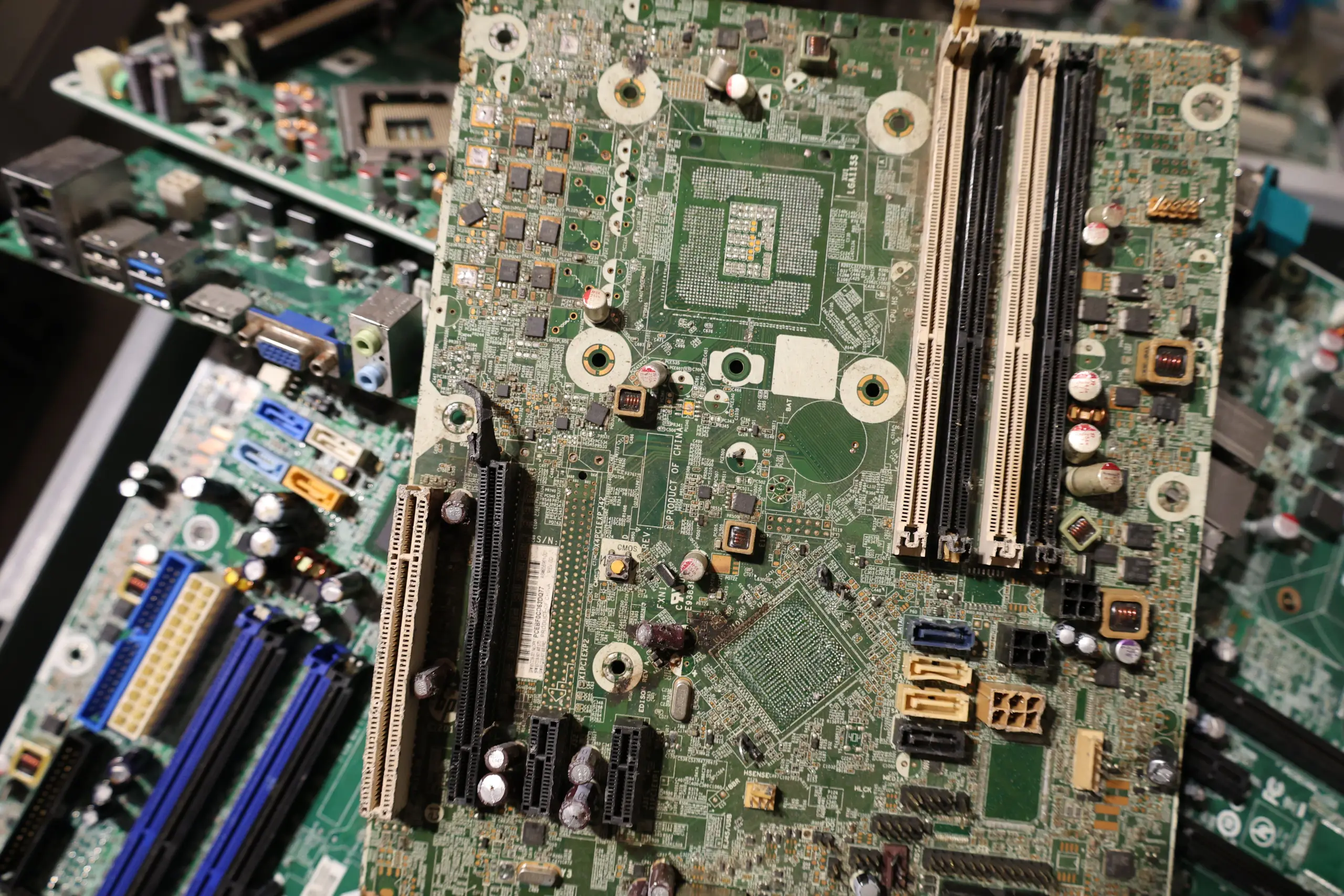
This is particularly relevant for products like electronics and batteries, which contain materials that can be recovered after discard. The Ministry of Mines supports efforts to recover critical minerals from e-waste, spent lithium-ion batteries, and other scrap through its critical-mineral recycling scheme.
These materials are increasingly important to India’s industrial and technological ambitions. Lithium, copper and rare earth elements are used in batteries, electronics, renewable-energy technologies and advanced manufacturing. Recovering them from products already in the economy could create a secondary source alongside conventional mining.
Why Does It Matter?
India’s growing demand for critical minerals comes with dependence on global supply chains for many of them. The Ministry of Mines’ National Critical Mineral Mission includes recycling alongside exploration, overseas mineral acquisition, research and development, and other measures to strengthen critical-mineral supply.
The Ministry has explicitly identified secondary sources as an opportunity for “urban mining”, noting that materials already imported or produced domestically and circulating in the economy can be retained and reused to build a reverse supply chain for critical minerals.
Recycling cannot replace mining but can help countries recover materials already extracted and brought into the economy. For India, an old battery, discarded electronic device or end-of-life vehicle could be treated not only as waste but also as a potential source of materials that would otherwise need to be newly mined or imported.
This is where circular-economy policy intersects with resource security.
What Happens Next?
India’s ability to turn this potential into a meaningful resource depends on how effectively it can collect, track and process discarded products. Digital traceability can help follow products through their lifecycle, while stronger recycling systems can improve recovery of valuable materials.
Over time, this could support urban mining by recovering useful materials from products and waste already present in cities. As India’s consumption of electronics, batteries, vehicles and other goods grows, the stock of materials embedded in these products will also grow.
Urban mining could become a supplementary source of critical minerals, reducing dependence on newly extracted resources and imports.
What Should India Do?
India should connect its circular-economy policies with its broader critical-mineral strategy. Strengthening EPR, recycling, traceability and material-recovery systems can serve environmental goals while building capacity to recover strategically important resources.
According to the Ministry of Mines, recycling secondary sources can provide a faster way to strengthen the supply of critical minerals, with materials already in the economy contributing to a “reverse supply chain” for these resources. Urban mining will not eliminate the need for conventional mining but if India builds an efficient system to recover materials already in its economy, its waste streams could become part of its future mineral-security strategy.
***
Editorial Disclosure: AI-assisted tools were used to help summarise and organise information from the source reports and to support language and copy-editing.